
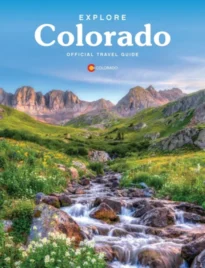
Colorado Vacation Guide
Planning a trip to the Rocky Mountains involves understanding the diverse landscape and seasonal shifts that define the high country. Travelers often seek a comprehensive Centennial State itinerary to make sense of the vast options available from the Front Range to the Western Slope. Whether visitors want to scale fourteeners or relax in natural mineral springs, having a clear plan ensures every moment counts. A well-organized Colorado Vacation Guide provides the necessary insights for selecting the right base camp for outdoor adventures. From the bustling streets of Denver to the quiet solitude of the San Juan Mountains, the state offers something for every type of explorer. Understanding local weather patterns and high-altitude safety helps families and solo hikers stay comfortable during their stay. By focusing on practical logistics and seasonal highlights, tourists can experience the true spirit of the American West without unnecessary stress or confusion while visiting.
Maximizing Outdoor Adventure and Seasonal Recreation
Exploring the outdoors represents the primary draw for most visitors heading to the high peaks. During the winter months, the focus shifts toward world-class ski resorts that offer powdery slopes and cozy lodge atmospheres. These destinations provide more than just downhill thrills; they offer snowshoeing, ice skating, and tubing for all ages. As the snow melts, the landscape transforms into a paradise for mountain bikers and backpackers who appreciate fresh air and exercise. Trails winding through aspen groves and pine forests reveal hidden lakes and rushing waterfalls that define the summer experience for nature lovers. These scenic routes allow for incredible photography and quiet moments of reflection away from the noise of city life. Local parks offer diverse terrain ranging from easy strolls to technical climbs that challenge even the most experienced athletes.
For those interested in history, the remains of old mining operations provide a glimpse into the rugged past of the region. Many travelers choose to visit national park boundaries like Rocky Mountain National Park to witness elk migrations and dramatic ridge views. It is important to remember that high-altitude environments require preparation. Carrying extra water and layers of clothing is essential because temperatures can drop quickly even in July. Visitors should also research trail difficulty levels to ensure a safe experience for everyone in their group. By prioritizing conservation and respecting local wildlife, explorers help maintain the beauty of these fragile ecosystems for future generations. Local businesses and guide services offer gear rentals and expert knowledge to help newcomers find the best spots away from the largest crowds. This approach allows for a more authentic connection with the natural world while supporting the local economy and promoting environmental awareness among all guests.
Essential Travel Tips for the Mountains
- High Altitude Hydration: Drinking twice as much water as usual helps the body adjust to the thin air found at elevations above five thousand feet to prevent common headaches.
- Layered Clothing Systems: Weather changes rapidly in the mountains, so wearing synthetic or wool base layers beneath a waterproof shell keeps explorers dry and warm throughout the day.
- Advance Trail Reservations: Many popular parks now require timed entry permits during peak summer months to manage crowds and protect the environment from excessive foot traffic and erosion.
- Local Wildlife Safety: Maintaining a distance of at least one hundred yards from large animals like moose and bears ensures both human safety and the health of the creatures.
- Regional Transit Options: Utilizing shuttles in high-traffic areas reduces parking stress and lowers the carbon footprint of the trip while providing scenic views of the surrounding rugged peaks.
- Sun Protection Needs: Applying high-SPF sunscreen frequently is vital because the atmosphere is thinner at high elevations, which increases the risk of skin damage from ultraviolet rays.
Exploring Cultural Hubs and Historical Landmarks
Beyond the rugged trails, the urban centers and small mountain towns offer a rich variety of cultural experiences and dining opportunities. Denver serves as a vibrant gateway where modern architecture meets historic charm in districts like Lower Downtown. Travelers can visit world-class museums or catch a game at one of the many professional sports venues located within the city core. Moving into the foothills, towns like Golden and Boulder provide a mix of university energy and outdoor access. Many visitors enjoy exploring local craft breweries and farm-to-table restaurants that emphasize regional ingredients like bison, trout, and seasonal peaches. These culinary stops provide a chance to refuel and relax after a long day of physical activity in the sun.
In the southwest, the Ancestral Puebloan ruins at Mesa Verde offer a profound look at the ancient history of the land and its original inhabitants. This cultural depth adds layers to the typical outdoor trip, providing educational value for families and history buffs alike. Shopping in boutique stores along historic Main Streets allows travelers to find unique handmade goods and western wear. Each community has its own personality, from the upscale glamour of Aspen to the laid-back, creative vibe of Salida. Engaging with the local arts scene through gallery walks and outdoor concerts enriches the overall travel experience significantly. By balancing high-adrenaline sports with these slower, more reflective moments, tourists get a complete picture of what makes this region so special and enduring for people from all walks of life. This balanced approach ensures that every visitor finds something to love, whether they prefer quiet museums or steep mountain slopes.
A successful trip to the mountains combines careful planning with a willingness to explore the unknown. Whether visitors choose to scale jagged peaks or relax in a high-desert valley, the memories created will last a lifetime. Proper preparation regarding gear and timing ensures that every outdoor pursuit is both safe and enjoyable for the whole family. Embracing the mountain lifestyle mindset allows travelers to disconnect from daily stress and reconnect with nature. This Colorado Vacation Guide aims to provide the foundational knowledge needed for a rewarding journey. To start planning your specific itinerary today, consult this helpful Colorado Vacation Guide.