
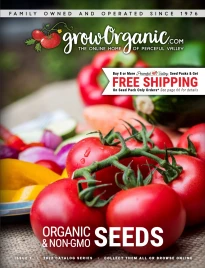
Grow Organic Catalog
Building a sustainable garden requires more than just seeds and soil. It demands a strategic approach to plant selection and ecosystem management. Many gardeners seek to enhance biodiversity within their backyard plots to ensure long-term success. By choosing native species and hardy heirloom varieties, individuals can create a resilient environment that thrives without heavy chemical intervention. A well-planned Grow Organic Catalog serves as a foundational roadmap for this journey. It provides a structured way to identify which vegetables, fruits, and herbs work best in specific climates. Understanding the relationship between different plant families helps prevent soil depletion and keeps pests away naturally. When growers focus on high-quality inputs, the results often manifest in more flavorful harvests and healthier plants. Transitioning to these methods requires patience and a commitment to learning how nature functions on its own terms.
Foundations of an Organic Ecosystem
Healthy soil serves as the bedrock for any productive outdoor space. Without a living, breathing underground network of microbes and fungi, plants struggle to absorb the nutrients they need for robust growth. Many experts suggest that gardeners should prioritize regenerative agriculture techniques to rebuild the earth after years of depletion. This involves adding composted organic matter and avoiding heavy tilling, which often destroys the delicate structure of the ground. By keeping the surface covered with mulch or living plants, moisture remains trapped where roots can reach it most effectively.
Selecting the right varieties is equally critical for success. Gardeners often discover that local heirloom seeds perform better than generic store-bought options because those seeds have adapted to the specific weather patterns of the region. These plants often show higher resistance to local diseases and fluctuations in temperature. When consumers plan their growing seasons, they should look for items that offer staggered harvest times. This method ensures a steady supply of fresh food rather than a massive surplus all at once. It also keeps the garden active and productive throughout the entire year.
Water management plays a massive role in the health of a landscape. Efficient irrigation systems, like drip lines or soaker hoses, deliver moisture directly to the root zone where it matters most. This prevents evaporation and reduces the risk of leaf diseases caused by overhead watering. Successful growers always monitor their plots closely, looking for signs of stress or nutrient gaps before they become major problems. By staying proactive, people can maintain a vibrant and thriving green space that yields plenty of food for the dinner table.
Core Benefits of Sustainable Practices
- Soil Enrichment Strategies: Adding compost and aged manure provides essential nutrients that help plants grow strong and resist pests without using harmful synthetic chemicals or artificial fertilizers in the garden.
- Heirloom Seed Selection: Choosing traditional seeds ensures genetic diversity and allows gardeners to save their own seeds for future seasons, promoting a self-sufficient cycle of food production every year.
- Natural Pest Management: Introducing beneficial insects like ladybugs and lacewings helps control common garden pests naturally, maintaining a balanced ecosystem that protects vulnerable crops from damage throughout the season.
- Companion Planting Methods: Placing specific plants near each other can improve growth rates and flavor while deterring harmful insects, making the most of available space in small or large plots.
Planning for Long-Term Seasonal Success
Planning for the seasons involves a deep understanding of timing and climate cycles. Gardeners who consult the Grow Organic Catalog to plan their year must pay close attention to frost dates and typical rainfall patterns in their specific area. Cold-weather crops like kale, spinach, and peas thrive when temperatures are mild, while heat-loving plants like tomatoes and peppers require long, sunny days to produce fruit. Creating a detailed schedule helps prevent the frustration of planting too early or too late, which can lead to stunted growth or total crop failure. This preparation ensures that every square foot of the garden is utilized effectively during the peak growing months.
Integrating perennial edible plants into a landscape offers long-term benefits with relatively low maintenance. Unlike annuals that must be replanted every spring, perennials like asparagus, rhubarb, and fruit trees provide harvests for many years. These plants establish deep root systems that help stabilize the soil and capture carbon from the atmosphere. By mixing these long-term residents with seasonal vegetables, growers create a diverse and stable environment that mimics natural forests. This diversity makes the garden less susceptible to total loss if one particular species faces a difficult year, ensuring a harvest remains possible regardless of weather.
Modern tools and resources make it easier for people to track their progress and learn from their mistakes. Journaling about planting dates, weather events, and harvest yields allows individuals to refine their techniques over time. Many people find that sharing tips with neighbors or joining local gardening groups provides valuable insights that are specific to their microclimate. Learning from others helps build a stronger and more vibrant community of growers who are dedicated to sustainable living and healthy food production.
Adopting sustainable methods transforms how people interact with their local environment. By prioritizing health and ecology, individuals can produce nutritious food while protecting the earth for future generations. The transition requires a focus on natural soil health and careful plant selection to achieve lasting results. Everyone has the ability to make a positive impact through thoughtful gardening practices. Following a structured plan allows for a more organized and successful growing experience throughout every season of the year. For those ready to begin this rewarding journey today, explore the resources available in the Grow Organic Catalog right now and get started.