
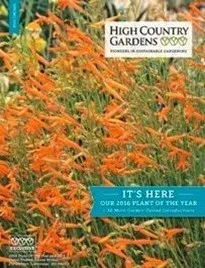
High Country Gardens Catalog
Homeowners often face the challenge of creating vibrant outdoor spaces while managing limited water resources and varying soil conditions. Selecting the right species requires more than just looking at pretty pictures; it involves understanding specific environmental needs and ecological benefits. Using a sustainable planting guide allows gardening enthusiasts to identify hardy perennials that thrive in arid climates and high-altitude regions. These publications serve as educational tools, helping individuals transition from high-maintenance lawns to water-wise habitats that support local biodiversity. By focusing on drought-tolerant varieties, gardeners can reduce their environmental footprint while enjoying a stunning array of colors and textures throughout the changing seasons. Success in modern horticulture depends on matching the specific needs of a site with the biological traits of each plant. Accessing a well-organized reference provides the necessary framework for establishing a resilient landscape that withstands heat and cold without excessive intervention.
Principles of Xeriscaping and Resource Conservation
Xeriscaping represents a significant shift in how people view residential landscapes. Instead of fighting against local weather patterns, property owners are now embracing the natural beauty of desert-friendly flora. This approach relies on careful planning and the use of species that have evolved to survive with minimal irrigation. When browsing through a resource like this specialized botanical listing, consumers find detailed information on bloom times, mature sizes, and soil preferences. This data is essential for layering different plants to ensure year-round interest and functional ground cover.
Many homeowners struggle with traditional grass lawns that require constant mowing and massive amounts of water. Replacing these thirsty patches with native grasses and flowering shrubs creates a self-sustaining ecosystem. These plants often feature deep root systems that stabilize the earth and improve soil health over time. Furthermore, choosing the right flora helps manage runoff and prevents erosion during heavy rain events. Implementing these techniques leads to a low-maintenance yard that looks intentional and lush.
The selection process often involves looking for specific markers of hardiness. Heat-tolerant salvias, resilient penstemons, and structural agaves are popular choices for those living in the Western United States. Each species offers unique benefits, such as attracting hummingbirds or providing winter interest with dried seed heads. A comprehensive arid climate botanical index helps users sort through these options based on their specific hardiness zone. This systematic approach ensures that the investment in new greenery yields long-term success and minimal loss. By prioritizing adaptability, growers can enjoy a landscape that flourishes even during record-breaking summer temperatures without increasing utility bills. Property owners benefit by creating a yard that remains resilient despite local water restrictions.
Benefits of Water-Wise Plant Selection
- Water Conservation Techniques: Utilizing specialized plant varieties significantly reduces the volume of supplemental irrigation required to maintain a healthy and vibrant yard during the hottest months of the year.
- Pollinator Habitat Expansion: Selecting native flowering species provides essential nectar and pollen sources for bees and butterflies, helping to stabilize declining populations in urban and suburban residential areas.
- Soil Health Improvement: Planting deep-rooted perennials naturally aerates the ground and increases organic matter, leading to better drainage and more resilient plant growth over several growing seasons.
- Winter Interest Design: Choosing plants with interesting structures or persistent seed heads ensures the garden remains visually appealing even during the dormant months when most flowers have faded.
- Regional Hardiness Matching: Identifying specific plants that are adapted to high-altitude or arid conditions prevents plant loss and ensures that the landscape can withstand extreme temperature fluctuations.
- Native Species Advantage: Planting flora that is indigenous to a specific region ensures that the garden requires fewer fertilizers and pesticides while providing the best support for local insect life.
Enhancing Biodiversity and Pollinator Support
Beyond aesthetic appeal, modern landscapes serve a critical role in supporting local wildlife. Pollinators such as bees, butterflies, and moths rely on specific types of nectar and pollen to survive and reproduce. Integrating a variety of flowering plants ensures that these beneficial insects have a reliable food source from early spring through late autumn. This specialized horticultural guide highlights species that are particularly attractive to these creatures, making it easier for homeowners to build a backyard sanctuary.
Creating a habitat involves more than just planting a few flowers. It requires a diverse mix of heights and textures to provide shelter and nesting sites. Tall perennials provide structural support, while low-growing ground covers protect the soil from direct sun and keep roots cool. Incorporating native milkweed or flowering shrubs can turn a simple garden into a thriving hub for migratory species. This biological diversity strengthens the overall health of the environment, making the landscape more resistant to pests and diseases without the need for harsh chemicals.
A focused biodiversity enrichment strategy encourages property owners to think about their yards as part of a larger ecological network. When neighbors collectively choose native and adapted plants, they create corridors that allow wildlife to move safely across urban and suburban areas. This collaborative effort has a profound impact on local bird populations and beneficial insect numbers. It transforms outdoor spaces into active participants in conservation. Residents find great satisfaction in watching nature interact with their carefully selected plants. By choosing varieties that offer high nutritional value to insects, anyone can play a part in preserving the natural heritage of their region while creating a peaceful retreat. Cultivating a garden that prioritizes ecological balance ensures that the local environment remains healthy for years.
Transforming a yard into a sustainable oasis requires the right tools and knowledge. Homeowners find immense value in utilizing specialized resources to pick plants that thrive in challenging environments. This proactive approach saves money on water and maintenance while fostering a healthy local ecosystem. By moving away from traditional high-water lawns, individuals contribute to a more resilient future for their communities. Embracing drought-tolerant species leads to beautiful, low-effort landscapes that provide joy year after year. Every well-placed shrub helps build a functional green space that supports wildlife and conserves natural resources for future generations to come. High Country Gardens Catalog