
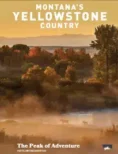
Montana Vacation Guide
So, you’re dreaming of Montana. Vast blue skies arching over rugged mountains, crystal-clear rivers teeming with life, and the whisper of history in charming small towns. It’s a call to adventure, a longing for open spaces, and a desire for experiences that stay with you long after you’ve returned home. But turning that dream into a reality, planning a trip that captures the true spirit of Big Sky Country, can feel like a monumental task. Where do you even begin?
The good news is, the key to unlocking an unforgettable Montana experience is within reach. The official Montana Vacation Guide serves as a comprehensive and inspiring resource, designed to transform your aspirations into a perfectly planned journey. This guide is your trusted companion for discovering everything from iconic national park adventures to scenic drives that reveal the state’s soul, ensuring you find exactly what you’re looking for to create lasting memories.
Why a Montana Vacation Guide Elevates Your Trip Planning
Planning a trip to a destination as diverse and grand as Montana requires insight and reliable information. The Montana Vacation Guide offers a wealth of knowledge, meticulously curated to help travelers explore the state’s treasures. It provides detailed descriptions of regions, attractions, and activities, allowing you to tailor your adventure to your specific interests. Whether you’re an avid hiker, a history buff, a family seeking fun, or someone simply yearning for a peaceful escape, this guide presents options that resonate with your travel style. It empowers you with the information to make informed decisions, ensuring your time in Montana is spent creating experiences, not grappling with uncertainty.
Unlocking Iconic Adventures with the Montana Vacation Guide
Montana is home to some of North America’s most celebrated natural wonders, and the Montana Vacation Guide is an excellent starting point for planning visits to these legendary landscapes. It provides essential details for an awe-inspiring journey through these majestic areas.
One of the crown jewels is undoubtedly Glacier National Park. The guide helps you envision a drive along the breathtaking Going-to-the-Sun Road, a marvel of engineering that offers unparalleled alpine vistas, access to pristine glacial lakes like Lake McDonald, and trailheads leading to some of the most scenic hikes in the country. Information on park entrances, lodging options, and seasonal considerations within the guide helps you prepare for an immersive experience in this “Crown of the Continent.”
Similarly, for those drawn to the geothermal wonders and abundant wildlife of Yellowstone National Park, the Montana Vacation Guide details access through its northern and western entrances. Imagine witnessing the power of Old Faithful, exploring the vibrant Grand Prismatic Spring, or spotting bison and elk roaming freely in the Lamar Valley. The guide offers insights into the best times to visit, what to see in different sections of the park accessible from Montana, and how to make the most of your Yellowstone adventure, making it a vital tool for anyone planning to explore America’s first national park.
Charting Unforgettable Journeys: Scenic Drives and Hidden Gems
Montana’s allure extends far beyond its famed national parks. The state is a road tripper’s paradise, with scenic byways that meander through stunning landscapes, connecting vibrant communities and historical points of interest. The Montana Vacation Guide illuminates these routes, inviting you to discover the state at your own pace. Consider the Beartooth Highway, often called one of the most beautiful drives in America, offering dramatic high-altitude scenery as it climbs towards Yellowstone. Or perhaps a journey along the Pintler Veteran’s Memorial Scenic Highway, winding through the Anaconda-Pintler Wilderness, will capture your imagination.
The guide also encourages exploration of Montana’s charming small towns, each with its unique character and story. From the artistic vibe of Livingston to the historic streets of Philipsburg, these communities offer authentic local experiences, delightful eateries, and a warm welcome. The Montana Vacation Guide can help you pinpoint these local favorites and cultural hotspots, adding depth and richness to your travel itinerary by revealing the places where Montana’s true heart beats. Discovering a local festival, a unique craft brewery, or a hidden fishing spot becomes a delightful part of the adventure with this resource.
Planning Your Perfect Montana Itinerary Made Simple
The true value of the Montana Vacation Guide lies in its ability to simplify the complex task of trip planning. It consolidates a vast amount of information into an accessible and user-friendly format. You can find suggestions for various trip lengths, themed itineraries focusing on interests like fishing or history, and practical advice on accommodation, dining, and seasonal activities. This comprehensive approach saves you countless hours of research, allowing you to focus on the excitement of your upcoming trip. The guide helps you piece together the puzzle of your ideal vacation, ensuring a smooth and enjoyable planning process from start to finish. It provides a clear pathway to crafting a personalized Montana experience that aligns perfectly with your dreams.
Your Adventure Awaits: Explore with the Montana Vacation Guide
Montana offers a world of discovery, from its towering peaks and wild rivers to its rich history and vibrant local culture. It’s a place that inspires awe and invites exploration. With the insights and comprehensive information found within the official Montana Vacation Guide, you are equipped to design an adventure that truly resonates. This resource is your gateway to experiencing the best of Big Sky Country.
Ready to craft your unforgettable Montana journey? Discover the possibilities and start planning with the official Montana Vacation Guide.