
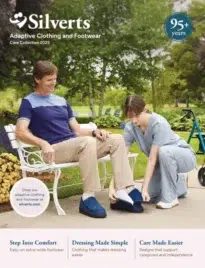
Silvert’s Catalog
Finding the right clothing for seniors or individuals with limited mobility involves more than just picking a style. It requires understanding the unique challenges of daily dressing. Many individuals struggle with standard fasteners like buttons and zippers, which can lead to frustration or safety concerns. This is where the Silvert’s Catalog provides a comprehensive collection of specialized attire designed to restore dignity and comfort. By focusing on functionality, these garments ensure that getting dressed is no longer a painful chore. Families and medical professionals often search for items that simplify the morning routine. Choosing easy-access garments allows users to maintain a sense of style while benefiting from modern design improvements. These solutions cater to various physical needs, ensuring that every person finds a fit that works for their specific lifestyle. Investing in proper clothing helps improve the quality of life for those facing age-related physical changes.
The Importance of Functional Apparel Designs
The design philosophy behind adaptive apparel focuses on removing the physical barriers found in traditional retail clothing. Conventional pants and shirts often require significant finger dexterity and range of motion. For many seniors, reaching behind the back or manipulating small buttons is nearly impossible. Adaptive designs replace these obstacles with innovative closures such as magnetic snaps and hook-and-loop fasteners. This transition significantly reduces the time and effort required for self-dressing. Furthermore, specialized footwear addresses common issues like swelling or sensitive skin, providing wide openings and non-slip soles for safety.
Beyond self-dressing, the industry addresses the needs of those who require assistance. Open-back tops and side-opening pants are specifically created for caregiver-assisted dressing, allowing for quick changes without requiring the wearer to stand or lift their limbs excessively. This approach minimizes physical strain for both the individual and the assistant. It also reduces the risk of skin tears or joint pain during the process. High-quality fabrics are used to withstand frequent laundering while remaining soft against fragile skin.
Medical conditions like arthritis, Parkinson’s, or stroke recovery demand clothing that adapts to the person, not the other way around. By incorporating stretchable materials and strategically placed openings, these garments accommodate medical devices or incontinence products discreetly. The goal is to provide a wardrobe that looks like standard fashion but functions with a higher level of utility. This balance of aesthetics and practicality ensures that users feel confident in social settings. Providing these options helps foster a sense of normalcy in daily life, proving that physical limitations do not have to dictate a person’s style or comfort levels. Ultimately, this tailored approach to apparel empowers individuals to engage more fully with their world.
Top Features of Adaptive Clothing
- Magnetic Closures: These hidden magnets replace traditional buttons, allowing individuals with hand tremors or arthritis to fasten their shirts securely without needing fine motor skills or excessive force.
- Open-Back Tops: These shirts feature overlapping panels that snap at the shoulders, making it easy for caregivers to dress individuals while they remain seated or lying in a bed.
- Side-Opening Trousers: These pants use adjustable closures on the hips to allow for easy access when changing or using the restroom, which is vital for people with limited hip mobility.
- Non-Constrictive Socks: Designed with extra-wide stretches, these socks provide comfort for individuals experiencing edema or circulation issues without leaving marks or cutting off blood flow to the lower legs.
- Wrap-Around Skirts: These garments offer a simple way for women to dress stylishly while seated, using adjustable fasteners that provide a custom fit regardless of daily fluctuations in body shape.
- Elastic Waistbands: These flexible bands provide a comfortable fit that expands and contracts throughout the day, ensuring that trousers remain secure without the need for restrictive belts or difficult buttons.
Safety and Comfort for Long-Term Care
Comfort extends beyond the initial act of dressing. It involves how clothing performs throughout the entire day. For individuals who spend significant time in wheelchairs or seated positions, standard clothing can cause pressure points or skin irritation. Adaptive fashion addresses this by removing rear seams and pockets that might press against the skin. This careful consideration of seam placement prevents the development of pressure sores, which are a major concern for long-term care residents. By utilizing breathable and moisture-wicking fabrics, these garments keep the skin dry and healthy.
Another critical aspect is the psychological impact of wearing appropriate attire. When people feel good about their appearance, their overall mood and social engagement often improve. Modern adaptive apparel avoids the “hospital look” by using trendy patterns and classic cuts. This ensures that a person can attend family gatherings or community events without feeling self-conscious. The Silvert’s Catalog offers a wide range of options that mirror current fashion trends while hiding the functional modifications that make them accessible.
Safety is also a primary driver in the development of reduced mobility solutions. For instance, footwear with slip-resistant soles and adjustable widths prevents falls, which are a leading cause of injury among the elderly. These shoes are easy to put on even when feet are swollen or bandaged. The integration of these features into daily wear provides peace of mind for both users and their family members. By prioritizing safety and ease of use, the industry creates a more inclusive environment for everyone. This holistic approach ensures that physical challenges are managed through smart design rather than compromising on the quality of daily life or personal expression. Every item is tested to ensure it meets the rigorous demands of active senior living.
Selecting specialized clothing is an essential step toward maintaining personal independence for seniors and individuals with disabilities. These garments solve common daily struggles, reducing stress for both the wearer and their caregivers. By focusing on safety, comfort, and style, adaptive fashion ensures that physical limitations never stand in the way of a dignified life. Every design choice aims to make the morning routine smoother and safer. For those looking to browse high-quality options, the most reliable source for these essential wardrobe items is the Silvert’s Catalog. This specific resource offers the very best tools for comfortable daily living today now.