
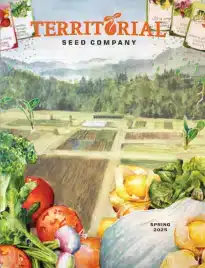
Territorial Seed Company Catalog
Home gardening requires precise planning to ensure a bountiful harvest. Many enthusiasts rely on a comprehensive gardening guide to select the right varieties for their specific climate zones. Utilizing a Territorial Seed Company Catalog provides access to extensive information regarding growth habits, disease resistance, and flavor profiles. This helps growers avoid common pitfalls such as choosing plants that cannot withstand local temperature fluctuations. By studying these materials early in the year, gardeners can organize their planting schedules to maximize space and yield. Every page offers insights into how different species interact with soil types and sunlight levels. Making informed decisions before the first frost melts is essential for any serious vegetable producer. High-quality resources empower people to transform their backyards into sustainable food sources. This approach minimizes waste and increases the success rate of every seedling started indoors or directly in the earth.
Maximizing Harvest Productivity Through Strategic Seed Selection
Selecting the right seeds is the most critical step in creating a productive landscape. A high-quality seed publication offers detailed descriptions that go far beyond basic height and width measurements. For instance, understanding the difference between determinate and indeterminate tomatoes allows for better staking and space management. Growers who use the Territorial Seed Company Catalog can compare dozens of heirloom and hybrid options to find the perfect match for their kitchen needs. This level of detail ensures that even beginners can achieve professional results in their first season.
Furthermore, technical data regarding germination rates and maturity dates assists in succession planting. This technique keeps the harvest flowing throughout the summer and into the autumn months. Instead of a single massive crop that goes to waste, families can enjoy fresh produce for a longer duration. Experts emphasize the importance of matching seed traits to local pest pressures. Many modern varieties offer natural resistance to common blights and wilts, reducing the need for chemical interventions. By prioritizing these hardy choices, gardeners maintain a healthier ecosystem in their own yards.
Planning a garden also involves considering the nutritional value of different crops. Detailed manuals highlight which vegetables pack the most vitamins and essential minerals per square foot. This allows for a more intentional design that supports family health and wellness. Choosing seeds based on objective performance data rather than just attractive names leads to a more satisfying experience. When individuals have access to scientific growing data, they can troubleshoot issues before they escalate into crop failures. Reliability is the hallmark of a well-prepared garden plan, and these documents provide the foundation for that reliability.
Essential Benefits of Utilizing Comprehensive Garden Manuals
- Planting Schedules: Gardeners utilize these detailed calendars to determine the exact dates for starting seeds indoors or moving them to the outdoor beds based on their specific local frost dates.
- Disease Resistance: Selecting varieties with natural defenses against common pathogens helps ensure a healthy crop without the heavy use of synthetic sprays or intensive labor throughout the growing year.
- Heirloom Preservation: Growing traditional plant varieties helps maintain genetic diversity while providing unique flavors and textures that are often missing from the standard produce found in major grocery stores.
- Soil Health: Understanding how different crops interact with soil nutrients allows for better crop rotation strategies that keep the ground fertile and productive for many seasons to come.
- Yield Optimization: Providing plants with the ideal spacing and support as suggested in the guide helps maximize the amount of produce harvested from even the smallest garden plots or containers.
- Pollinator Support: Incorporating specific flowering varieties into the vegetable garden attracts beneficial insects that are necessary for the pollination of many crops, leading to much larger and healthier harvests.
Adapting to Regional Climates and Sustainable Growing Practices
Achieving success in varied climates requires a nuanced understanding of regional weather patterns and plant physiology. A detailed plant selection manual serves as a vital bridge between scientific research and practical application in the backyard. It addresses the challenges of short growing seasons in the north and intense heat in the southern regions. By focusing on regional adaptability, growers can pick varieties that have been specifically tested for their environmental conditions. This targeted approach significantly increases the probability of a successful harvest even under stressful weather events like late springs or early autumn freezes.
In addition to climate considerations, modern gardening resources emphasize sustainable practices that benefit the local environment. This includes choosing plants that support pollinators like bees and butterflies, which are essential for the health of the entire food system. Homeowners often look for non-GMO options and untreated seeds to align with their organic goals. Providing this specific information allows users to make ethical and environmentally conscious choices that reflect their personal values.
Effective garden management also relies on knowing how to save seeds for future years. Detailed guides often explain which varieties are open-pollinated, allowing for the collection and storage of seeds from the current crop. This fosters a sense of self-reliance and reduces the recurring costs of buying new supplies every spring. When growers understand the full lifecycle of their plants, they become more connected to the rhythms of nature. The depth of knowledge provided in these manuals transforms gardening from a simple hobby into a sophisticated craft. Experts agree that the more information a gardener has at their disposal, the more likely they are to persevere through challenges and find joy in the process.
Utilizing the right resources is essential for anyone serious about growing their own food. Strategic planning ensures that every seed planted has the best chance of reaching maturity and providing a nutritious harvest. By carefully selecting varieties that match local conditions, gardeners create a resilient and productive environment. This proactive approach saves time and reduces frustration throughout the growing season. Making informed choices leads to a highly beneficial experience that always supports family health. Home growers can find every answer within one essential manual. Experienced gardeners trust the vital data found within the pages of the Territorial Seed Company Catalog.