
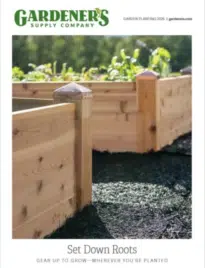
Gardener’s Supply Catalog
Homeowners often seek ways to improve their outdoor spaces without using harsh chemicals or complicated machinery. Finding the right tools and supplies becomes a priority when the growing season begins. Accessing a comprehensive equipment list allows enthusiasts to discover a wide variety of gear designed for efficiency and plant health. Many people find that high-quality gear reduces physical strain and increases the overall yield of their vegetable patches. Instead of struggling with low-grade plastic items that break after one season, savvy planters invest in durable steel and wood components. This shift toward quality helps build a more resilient outdoor environment. Adopting sustainable horticulture practices ensures that the soil remains fertile and the local ecosystem thrives. By selecting products that prioritize longevity and performance, users can transform any small patch of dirt into a lush, productive sanctuary for flowers and food crops alike.
Maximizing Efficiency with Professional Tools
Selecting the correct equipment is the foundation of any successful backyard project. High-quality shovels, rakes, and trowels serve as extensions of the hand, making tasks like transplanting and weeding much simpler. When people review a Gardener’s Supply Catalog, they often notice a focus on ergonomic designs that protect the wrists and back from repetitive motion injuries. These tools are built to last through many winters, providing consistent value over the years. Choosing specific tools like specialized aerators or heavy-duty digging forks allows for better soil management. When individuals look at these items, they see that the design prioritizes the long-term health of the earth. Moreover, the inclusion of sturdy carts and wagons helps in transporting heavy mulch or soil bags across large properties without exhaustion.
Beyond simple hand tools, many systems focus on water conservation. Irrigation kits and rain barrels help homeowners manage moisture levels without wasting precious resources. This is particularly important in regions prone to dry spells. Effective water management ensures that root systems stay hydrated while minimizing runoff. This prevents the loss of nutrients from the topsoil. By using these specialized irrigation systems, users can automate a large portion of their chores, giving them more time to enjoy the beauty of their landscape.
Another major trend involves the use of raised bed gardening kits. These structures allow for better drainage and temperature control compared to traditional in-ground planting. They also make it easier to manage soil quality, as users can fill them with specific mixes tailored to the needs of different plants. By elevating the workspace, these beds make planting and harvesting accessible to people of all ages and physical abilities. Furthermore, pest control has moved away from toxic sprays toward physical barriers. Row covers and netting protect young seedlings from insects and birds without harming the surrounding wildlife.
Essential Supplies for Modern Growers
- Self-Watering Reservoirs: These internal tanks provide a steady supply of moisture to plant roots, reducing the need for daily watering and helping vegetables grow faster during hot summer months.
- Heavy-Duty Trellises: Vertical supports allow climbing plants like peas and tomatoes to grow upward, saving space in small yards and improving air circulation to prevent common fungal diseases.
- Ergonomic Hand Tools: Specially shaped handles and lightweight materials reduce the physical stress on hands and joints, allowing users to spend more time working comfortably in their flower beds.
- Organic Soil Amendments: Natural fertilizers and compost starters boost the nutrient profile of the earth, encouraging strong root development and vibrant blooms without the use of synthetic chemicals.
- Protective Garden Cloches: These clear covers act like mini greenhouses, shielding sensitive seedlings from late spring frosts and providing a warm environment for early season growth and development.
Building Soil Health for Long-Term Success
Building a healthy ecosystem starts with the ground itself. Many homeowners struggle with clay or sandy soils that do not support robust plant life. The solution often involves a focus on compost enrichment to improve the physical structure of the earth. By recycling organic kitchen waste and yard debris, people create a nutrient-dense material that feeds beneficial microbes and worms. This process turns waste into “black gold,” which is essential for growing nutrient-dense vegetables and vibrant flowers. Furthermore, the use of sophisticated composting bins can significantly speed up the decomposition process. These bins are designed to maintain the ideal temperature and moisture levels required for bacteria to break down organic matter quickly. Homeowners also benefit from using specialized covers that protect their compost from heavy rain or excessive sun, ensuring the nutrient quality remains high for the next growing season.
Aeration is another critical factor in soil health. Compacted ground prevents air and water from reaching roots, which can lead to stunted growth. Using specialized forks or aerating tools helps break up hard patches without flipping the soil and destroying its natural layers. This minimal-disturbance approach preserves the complex web of life living beneath the surface. Testing the soil also helps in identifying which specific minerals are lacking, such as nitrogen or potassium. Once these needs are known, growers can apply targeted natural fertilizers that resolve the deficiency without damaging the environment. This precision in care leads to larger harvests and more resilient plants that can better withstand extreme weather conditions throughout the seasons.
Winter preparation is also a vital part of the cycle. Applying mulch or planting cover crops protects the surface from erosion and nutrient leaching during heavy rains. These layers act as a blanket, keeping the ground temperature stable and suppressing weeds that might emerge in early spring. When the next season arrives, the ground is rested and ready for a new round of planting. By focusing on these long-term strategies, homeowners ensure their outdoor spaces remain productive and beautiful for many decades to come.
Enhancing a backyard space requires the right knowledge and high-quality equipment. By prioritizing durability and environmental health, homeowners can create a thriving oasis. Focusing on home food production allows families to enjoy fresh, organic produce right from their doorsteps. Utilizing a comprehensive resource guide ensures that every tool serves a specific purpose in this journey toward self-sufficiency. These practices lead to a more sustainable lifestyle while providing a relaxing hobby that connects people with nature. Investing in these long-lasting solutions results in a beautiful landscape that brings joy and nourishment to the entire local gardening community. Gardener’s Supply Catalog